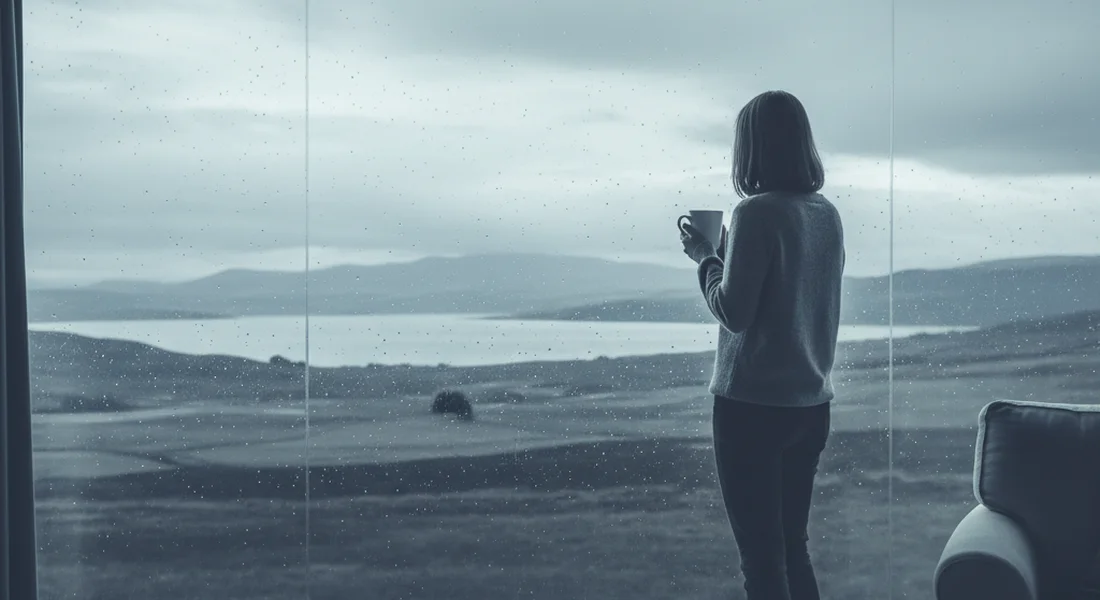

Sadness Has a Reason and an Ending
Sadness is a normal, healthy emotion. It shows up in response to something: a loss, a disappointment, a conversation that hurt. You feel it in your body. Maybe your chest is heavy, or your throat feels tight, or your eyes sting. It is uncomfortable, but it moves.
Given time, support, and space to feel it, sadness passes. You cry, you talk to someone, you sit with it for a while, and eventually the weight lifts. The world does not look different afterward. You can still enjoy things. You can still laugh. The sadness was a visitor, not a resident.
Depression Stays
Depression is different. It does not always have a clear trigger. It does not lift when the situation changes. It settles over everything like a filter that drains the color from your day.
Where sadness is sharp and specific, depression is diffuse and persistent. It affects not just how you feel but how you think, how you sleep, how you eat, how much energy you have, and how you see yourself.
| Aspect | Sadness | Depression |
|---|---|---|
| Trigger | You can point to a cause | You may not know why you feel this way |
| Focus | You feel bad about something | You feel bad about everything, or nothing at all |
| Enjoyment | You can still enjoy other parts of life | Pleasure fades across the board |
| Response to rest and support | Rest and support help | Rest does not fix it; you may withdraw from support |
| Pattern over time | Comes in waves | It is the water level (constant) |
| Duration | Passes with time | Settles in and stays |
| Clinical significance | A normal, healthy emotion | A treatable mental health condition when persistent |
The Gray Area Between Them
The line between prolonged sadness and depression is not always crisp. A significant loss, like a death, a divorce, or a major life change, can produce grief that looks a lot like depression. And sometimes grief that goes unprocessed does become depression over time.
The question to ask is not "am I sad enough to be depressed?" It is "has this feeling been here long enough and persistently enough that it is interfering with my ability to live my life?" If the answer is yes, it does not matter what you call it. It deserves attention.
“Katherine is a fantastic therapist. She is empathetic, supportive, and always helps her patients see all sides of their problems.”
— Client, ValerieWhen to Get Help
Consider reaching out if:
- The heaviness has lasted more than two weeks without significant relief
- You have lost interest in things that used to matter to you
- Your sleep has changed: too much, too little, or unrefreshing
- You are withdrawing from people not by choice but by inertia
- You are functioning but feel empty inside
- You have had thoughts that life is not worth living, even fleetingly
You do not need to be in crisis to deserve support for depression. In fact, catching it early makes treatment more effective and recovery faster.
I work with clients in Mission Viejo, Tustin, Irvine, and online across California. If you are not sure whether what you are feeling is sadness or something deeper, a conversation can help you figure it out.