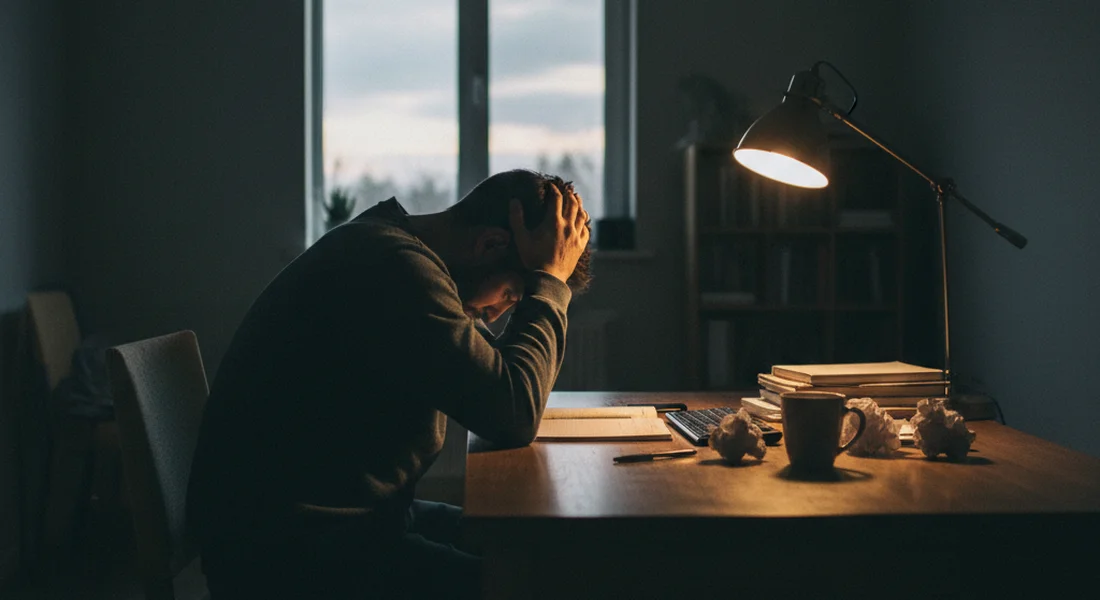

SAD Without the Snow
Seasonal Affective Disorder, or SAD, is typically associated with dark winters in northern states. But the condition is more nuanced than a lack of sunlight. In Southern California, seasonal mood shifts can be triggered by shorter days even when the weather stays warm, by the pressure of the holiday season, by the collective energy shift that happens when everyone around you seems to be celebrating and you feel hollow.
There is also a lesser-known form of seasonal depression that hits in summer. The heat, the disrupted routines, the expectation to be social and active, the comparison trap that intensifies when everyone else's life looks like a vacation. In a place like Orange County, where the culture leans heavily toward outdoors, fitness, and performance, not keeping up can feel like a personal failure.
What It Looks Like Here
Seasonal depression in Orange County often gets misidentified because it does not match the stereotype. Clients tell me things like:
- "I feel guilty being sad when I live in paradise."
- "Everyone around me seems fine. Maybe I am the problem."
- "I used to love going to the beach but now I just want to stay home."
- "The holidays make me feel more alone, not less."
- "I cannot explain it. I just feel flat around this time every year."
The guilt compounds the depression. You live in a place people dream about. How dare you be unhappy? That internal message is part of what makes seasonal depression harder to address here. It gets dismissed before it gets explored.
Why It Happens
Several factors can contribute to seasonal mood shifts, even in warm climates:
- Light changes: Even in Southern California, daylight hours shorten in winter. Your circadian rhythm notices.
- Holiday stress: Financial pressure, family obligations, grief anniversaries, and social expectations all peak between November and January.
- Routine disruption: School schedules change, work slows or speeds up, and the normal rhythm of life gets upended.
- Social comparison: Social media amplifies the gap between how you feel and how everyone else appears to be doing.
- Anniversary reactions: Your body remembers difficult events even when your mind has moved on. Loss, breakups, or trauma that happened during a particular season can resurface every year.
“Working with Katherine has been truly life-changing. She helped me navigate some very difficult and painful chapters of my life with compassion, honesty, and steadiness. I always felt heard, supported, and respected, while also being gently challenged when I needed it. Her thoughtful guidance helped me reconnect with myself and move forward with clarity and confidence. If you're looking for a therapist who is both warm and incredibly effective, I cannot recommend her enough.”
— Client, StephanieWhat Helps
Acknowledging the pattern is the first step. If you notice your mood dipping at the same time every year, that is information, not weakness. Once you see the pattern, you can plan for it rather than being ambushed by it.
Practical things that help:
- Maintaining consistent routines even when schedules shift
- Reducing obligations during your difficult season instead of piling more on
- Staying physically active, even if it is just a walk through Mission Viejo's trails
- Limiting social media during high-comparison periods
- Talking to someone before the fog fully sets in
Therapy for depression is especially helpful when seasonal patterns are involved because we can build a plan that accounts for the predictable dips rather than reacting to them each time. CBT helps you challenge the guilt and comparison thoughts. Somatic work helps your body adjust to the shifts your nervous system is registering.
If your mood changes with the seasons and you are in the Irvine, Laguna Niguel, or Dana Point area, I am here to help.